Introduction to Green Certification in Singapore
As of 2024, Singapore continues to advance its sustainability agenda by encouraging buildings, including small structures and private homes, to meet environmentally friendly standards. Obtaining a “green” certificate is an important step to demonstrate a building’s contribution to energy efficiency, resource conservation, and environmental responsibility.
This article explains the criteria and measures required for small buildings and private houses to qualify for a “green” certification under Singapore’s green building initiatives. It summarizes key areas such as energy efficiency, water conservation, indoor environmental quality, and sustainable building materials.
Understanding Singapore’s Green Building Frameworks
Singapore’s green certification schemes for buildings are managed primarily under Building and Construction Authority (BCA) Green Mark. While BCA Green Mark is widely recognized for commercial and large buildings, the principles also apply to residential properties and small-scale buildings aspiring to obtain certification.
Additionally, schemes such as the Energy Market Authority (EMA) initiatives promote energy conservation and sustainability, which complement the green certification process.
Essential Criteria for Green Certification of Small Buildings and Private Houses
To qualify for a green certificate in Singapore, small buildings and private residences generally need to satisfy several sustainability benchmarks. These include:
1. Energy Efficiency
- Efficient Cooling and Lighting Systems: Installation of energy-efficient air conditioning units, LED lighting, and energy-saving appliances is generally required. According to BCA guidance, these reduce overall energy consumption.
- Building Envelope Performance: The design should minimize heat gain through insulation, reflective roofing, and adequate shading elements to reduce cooling demands.
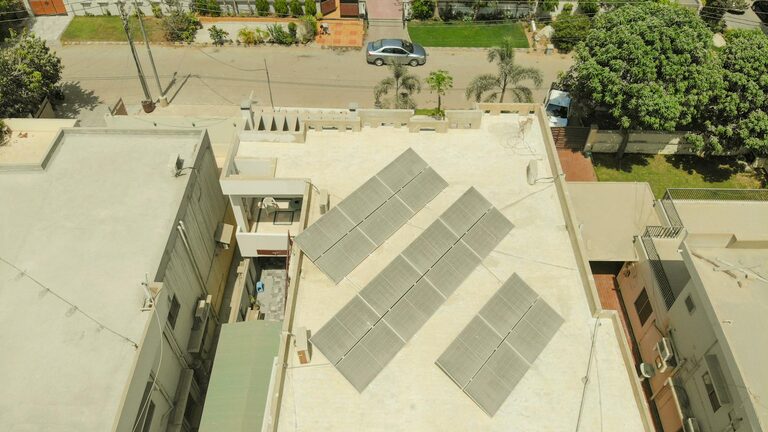
- Renewable Energy Integration: Although not mandatory, incorporating solar photovoltaic (PV) panels or other sustainable energy sources can boost energy efficiency scores.
2. Water Efficiency
- Water-Saving Fixtures: Use of low-flow taps, showerheads, and dual-flush toilets helps reduce potable water consumption.
- Rainwater Harvesting and Water Recycling: Systems to collect and moderately reuse water for landscaping or flushing support sustainability.
3. Indoor Environmental Quality
- Natural Ventilation and Lighting: Good architectural design that allows for adequate daylight penetration and airflow enhances occupant comfort and reduces electrical usage.
- Use of Low VOC Materials: Painting, adhesives, and finishing materials with low volatile organic compounds improve indoor air quality.
4. Sustainable Building Materials
- Environmentally Friendly Materials: Use of recycled, locally sourced, or rapidly renewable materials is encouraged to reduce embodied carbon.
- Waste Management During Construction: Segregation and reduction of construction waste align with BCA sustainability requirements.
5. Other Sustainability Measures
- Smart and Automated Systems: Incorporation of building automation or intelligent control systems for lighting, cooling, or energy monitoring can contribute positively to certification.
- Landscape and Biodiversity: Landscaping with native plants and green roofs contribute to improved urban ecology and microclimate moderation.
Certification Process for Small Buildings and Private Houses
Qualifying for a green certificate involves a documented evaluation based on the proposed or existing building performance and design features. The general steps include:
- Pre-Assessment: Engage with a qualified assessor or green building consultant to review the design and identify potential areas for improvement.
- Submission of Application: Provide detailed documentation, including architectural plans, energy modeling results, and sustainability strategies, to the BCA or relevant authority.
- Performance Verification: On-site inspections and testing may be required to confirm compliance with green standards.
- Certification Award: Successful projects are awarded a Green Mark certificate, confirming their sustainable building status.
Key Resources and Official Guidance
- BCA Green Mark Scheme – Detailed criteria, application process, and technical guidelines.
- Energy Market Authority (EMA) – Initiatives for energy sustainability and efficiency standards.
- Housing & Development Board (HDB) – For relevant updates on public housing sustainability requirements.
Conclusion
Small buildings and private houses in Singapore can achieve green certification by adhering to a comprehensive set of energy, water, materials, and indoor quality standards. While the process requires careful planning and documentation, the result is a building that contributes positively to Singapore’s sustainability goals.
Property owners and developers interested in green certification should consult official resources and consider engaging professional consultants to ensure all requirements are met in accordance with current regulations.
This site is an informational blog and is not affiliated with the Government of Singapore.