
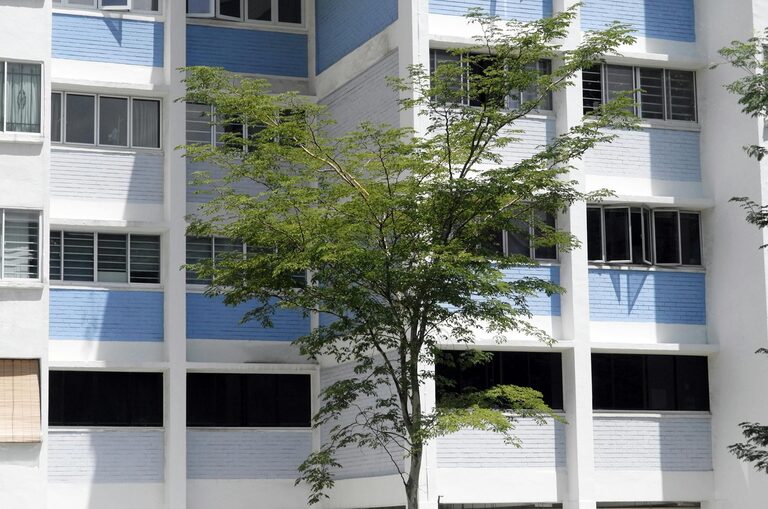
Introduction to Green Certification in Singapore
Singapore places significant emphasis on environmental sustainability through various initiatives aimed at reducing energy consumption, promoting resource efficiency, and enhancing the quality of the built environment. Obtaining a “green” certificate for small buildings or private houses demonstrates adherence to these principles and aligns property owners with national sustainability goals.
As of 2024, the most recognized framework for green building certification in Singapore is the Building and Construction Authority’s (BCA) Green Mark scheme. The Green Mark evaluates buildings based on environmental impact, energy efficiency, water savings, and indoor environmental quality, among other criteria.
Key Green Certification Schemes in Singapore
- BCA Green Mark Certification: The primary national standard for green buildings, applicable to a wide range of building types including residential properties. It offers several rating levels like Certified, Gold, GoldPlus, and Platinum.
- Green Building Index (GBI): While primarily used in Malaysia, some guidelines overlap with Singapore’s Green Mark, especially for regional developments.
- International Certifications: Systems like LEED or WELL Building Standard sometimes apply but are less common for small buildings or private homes in Singapore.
This article focuses on the BCA Green Mark scheme, due to its official status and wide applicability.
Eligibility for Small Buildings and Private Houses
The Green Mark scheme covers a wide range of developments, and small buildings or private houses fall within the Residential Category if they meet the definitions outlined by BCA. Typically, these include:
- Detached houses (bungalows, semi-detached)
- Terrace houses
- Small apartment complexes or clusters (if under a particular size threshold)
Buildings must comply with local building codes enforced by the Urban Redevelopment Authority (URA) and the Housing Development Board (HDB), where applicable.
Core Requirements to Qualify for a Green Certificate
To qualify for the Green Mark certification, small buildings or private houses need to satisfy criteria across several categories. These criteria are designed to improve the building’s overall sustainability performance.
1. Energy Efficiency
Improving energy efficiency is a top priority. Small buildings typically need to address the following areas:
- Efficient Lighting: Use of LED lighting and daylight sensors to reduce electricity consumption.
- Energy-Efficient Air Conditioning: Installation of energy-label compliant air conditioning systems with smart controls.
- Renewable Energy Integration: Where feasible, incorporation of solar photovoltaic (PV) panels or solar water heaters.
- High-Performance Building Envelope: Use of insulated walls, double-glazed windows, and shading devices to minimize heat gain, reducing cooling loads.
According to the BCA guidelines, energy consumption is carefully measured through simulation models to ensure compliance with Green Mark standards.
2. Water Efficiency
Singapore mandates stringent water conservation measures, recognizing its limited freshwater supply.
- Water-Efficient Fixtures: Installation of faucets, showerheads, and toilets with water-saving labels.
- Rainwater Harvesting: Systems to capture and use rainwater for non-potable applications such as gardening and cleaning.
- Water Recycling: Greywater systems may be encouraged where practical.
These features are aligned with Singapore’s PUB (Public Utilities Board) guidelines on water efficiency.
3. Sustainable Materials and Waste Management
Sourcing environmentally friendly materials and managing construction waste responsibly are vital for certification.
- Use of Recycled or Low-Impact Materials: Preference for materials with a low carbon footprint and high durability.
- Waste Reduction Strategies: Proper segregation and disposal of construction and renovation waste.
BCA encourages builders to source local materials to reduce transportation emissions.
4. Indoor Environmental Quality (IEQ)
Good IEQ safeguards occupants’ health and comfort through the following measures:
- Ventilation: Adequate natural ventilation or energy-efficient mechanical ventilation systems.
- Indoor Air Quality (IAQ) Management: Use of low-VOC (volatile organic compound) paints and finishes.
- Daylighting: Maximizing natural light to improve occupant well-being and reduce lighting energy use.
5. Innovation and Other Considerations
The Green Mark scheme awards extra credits for innovations that improve sustainability performance, such as smart home systems that optimize energy use or water-saving technologies beyond the baseline requirements.
Steps to Apply for Green Mark Certification
For small building or private house owners intending to obtain Green Mark certification, the general application process includes:
- Engage a BCA-Registered Green Mark Professional: Typically, a certified engineer or architect will assess the building plans and advise on compliance.
- Design and Implementation: Incorporate requisite features during design and construction or retrofit existing structures.
- Submit Application and Documentation: This includes energy simulation reports, water conservation plans, and material specifications.
- Verification and Assessment: BCA conducts site inspections and evaluates whether the building meets standards.
- Certification Award: Once verified, the Green Mark certificate is issued with the respective rating.
Detailed requirements and procedures are provided by the BCA on their Green Mark website: BCA Green Mark Certification.
Additional Government Incentives and Support
While this article does not provide financial advice, it is worth noting that the Singapore government encourages sustainable building through various grants and rebates. Further information can be found on the Energy Market Authority (EMA) and Housing Development Board (HDB) websites.
Conclusion
Qualifying for a green certificate for small buildings or private houses in Singapore involves meeting energy efficiency, water conservation, material sustainability, and indoor environmental quality criteria as defined by the BCA Green Mark scheme. By adhering to these standards, property owners contribute to national sustainability goals and enhance comfort and value in their living spaces.
For detailed and updated guidance, always refer to official government resources to ensure compliance with evolving regulations and policies.
Disclaimer: This site is an informational blog and is not affiliated with the Government of Singapore.